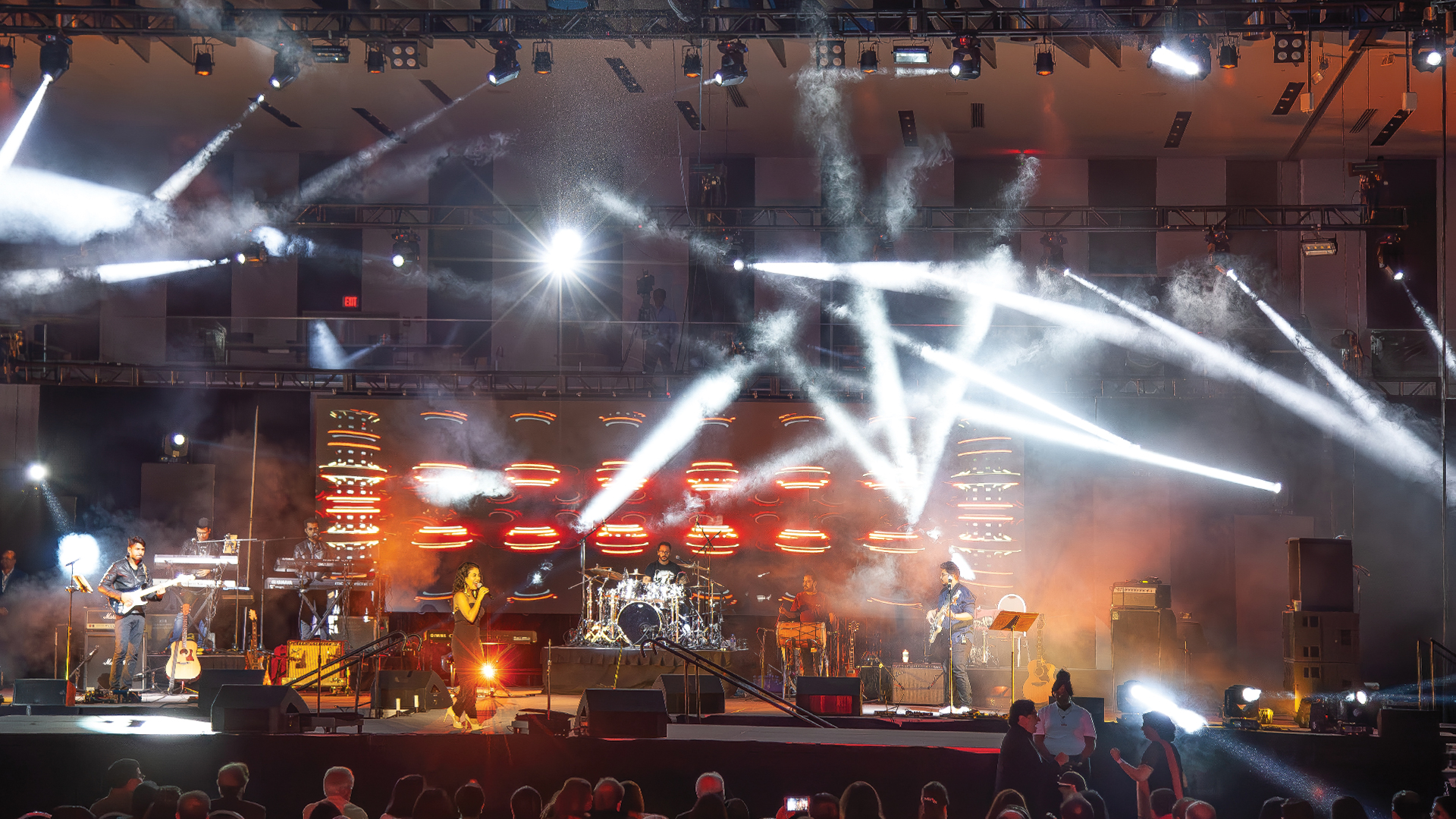
Atmospheric Effects Gone Spectacularly Wrong
The Chemistry of Chaos
Atmospheric effects represent one of live production’s most powerful and unpredictable tools. When properly controlled, theatrical fog and haze transform ordinary lighting into visible beams that dance through space. When uncontrolled, these same effects can obliterate visibility, trigger evacuation protocols, and turn sophisticated productions into exercises in blind navigation. The fine line between enhancement and disaster depends entirely on equipment selection, venue conditions, and the eternal vigilance of effects technicians.
The chemistry behind these effects matters enormously. Glycol-based fog fluids from manufacturers like MDG and Le Maitre vaporize at precisely controlled temperatures to create particles that remain suspended in air. Mineral oil-based haze from DF-50 machines produces finer particles that hang longer but pose different respiratory considerations. The infamous glycerin fog used in budget productions creates dense, quickly dissipating clouds that have caused numerous visibility incidents when operators misjudge timing and quantity.
Historic Fog Disasters
The 2007 Pyongyang Mass Games featured the world’s largest synchronized fog deployment, but Western productions have their own fog legends. A 1998 arena rock tour became infamous when twelve MDG Max 3000 generators activated simultaneously during the opening song, creating fog so dense that band members couldn’t see their instruments. The drummer, unable to locate other players visually, relied entirely on in-ear monitors to maintain timing. Footage from that show remains popular in production education circles as an example of effects excess.
Corporate events generate equally memorable fog stories. One pharmaceutical company’s 2019 product launch at a Chicago convention center deployed cryo CO2 jets for a dramatic reveal moment. Unfortunately, the HVAC system had been incorrectly set, and the heavy CO2 fog—instead of dissipating upward—pooled on the stage floor, eventually flowing into the front rows of the audience. Several attendees reported lightheadedness, and the event evacuated temporarily while venue staff adjusted air handling. The production company revised their cryo protocols permanently after this incident.
The Science of Atmospheric Control
Professional haze machines like the Look Solutions Unique 2.1 and MDG theONE offer precise output control through DMX protocols, integrating with lighting consoles for synchronized effects. These machines atomize fluid through compression or ultrasonic processes, creating particles sized specifically to scatter light effectively without creating visibility-impairing clouds. The distinction between haze (continuous, subtle atmospheric enhancement) and fog (visible clouds for specific moments) represents fundamental knowledge for effects operators.
Low-lying fog presents unique challenges addressed by specialized equipment. Ultratec Radiance and Glaciator systems chill fog immediately after generation, causing it to flow along floors like mist over a lake. This effect, spectacular when properly controlled, can overwhelm stages when cooling systems fail or when venue air currents push fog in unexpected directions. The 2022 opening ceremony of a major sporting event nearly lost visibility entirely when low-fog machines overproduced during a dramatic moment, requiring emergency fan activation to clear the atmosphere before athletes could proceed.
Venue Variables and Equipment Selection
Every venue presents unique atmospheric challenges based on ceiling height, HVAC configuration, temperature gradients, and air exchange rates. The Martin JEM ZR45 performs differently in a warehouse concert space than in a traditional theater, requiring effects supervisors to adjust output levels based on venue testing. Some operators use atmospheric simulation software to predict fog behavior, though real-world variables invariably introduce surprises that demand on-the-fly adaptation.
Fire alarm systems represent the most critical venue consideration for atmospheric effects. Modern smoke detection technologies include optical and ionization sensors that can mistake theatrical fog for genuine emergencies. Beam detectors used in high-ceiling venues often require temporary deactivation during fog-heavy productions—a process requiring coordination with venue management and local fire authorities. The NFPA standards governing these accommodations vary by jurisdiction, adding bureaucratic complexity to technical planning.
The Economic Impact of Fog Failures
When atmospheric effects fail spectacularly, the financial consequences extend far beyond immediate production costs. A canceled corporate presentation can damage client relationships worth millions in future business. An evacuated concert generates refund requests, venue penalties, and artist reputation concerns. Production insurance covers many direct costs but rarely compensates for the intangible damages that follow atmospheric disasters.
The rental economics of fog equipment reflect these risks. MDG machines command premium rental rates partly because their reliability reduces disaster probability. Budget alternatives from lesser manufacturers may cost half as much initially but create false economies when their less consistent performance causes production problems. Professional production managers balance equipment budgets against reliability requirements, understanding that atmospheric effects occupy a unique risk category among production elements.
Training and Certification Considerations
Unlike lighting and audio operations, atmospheric effects lack standardized certification programs in most markets. The USITT provides educational resources, and various manufacturers offer training on their specific equipment, but no unified credential verifies an operator’s competence with fog, haze, and atmospheric technologies. This gap means production companies must evaluate effects technicians based on experience and references rather than formal qualifications—a system that occasionally allows underqualified operators into positions where they can cause significant problems.
Some regional theater unions have attempted to establish effects operator classifications with specific training requirements, but these efforts remain fragmented. The IATSE represents many effects technicians in union productions, though their certification programs focus more on safety protocols than technical mastery of atmospheric equipment. Until industry-wide standards emerge, production companies bear responsibility for vetting effects operators individually, often learning about competence gaps only after incidents occur.
Future Technologies and Emerging Solutions
Innovation continues addressing atmospheric control challenges. AI-integrated fog systems can monitor venue conditions and adjust output automatically, maintaining consistent atmospheric density regardless of HVAC fluctuations. Particle sizing technology allows more precise effects, creating fog that interacts with specific light wavelengths while remaining less visible to cameras and audiences. The development of biodegradable fog fluids addresses environmental concerns while maintaining performance characteristics that professional productions require. As these technologies mature, the spectacular failures that define fog-production history may become increasingly rare—though never entirely eliminated, given the fundamental unpredictability of atmospheric physics.
