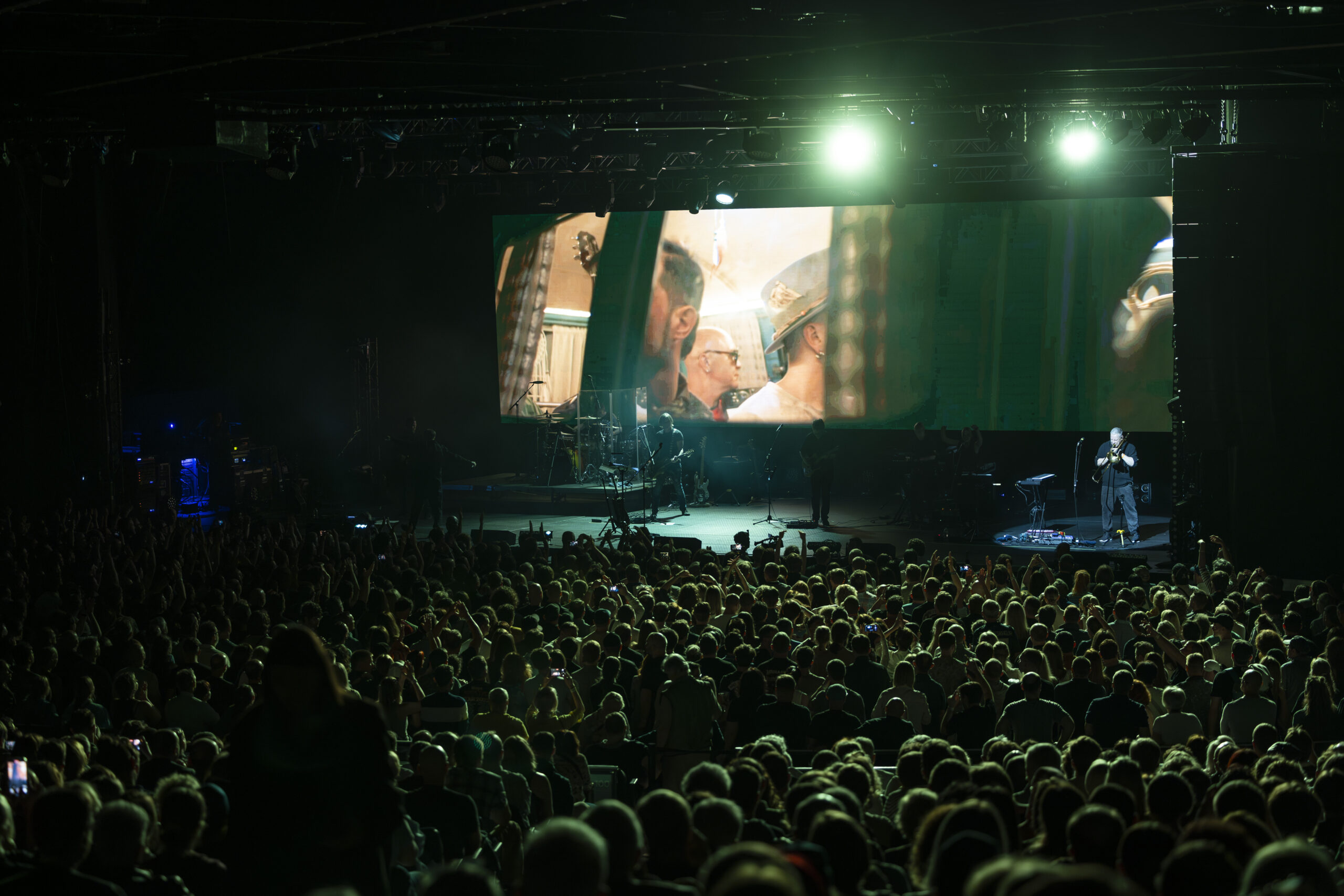

Why Sound Reinforcement Is the Backbone of Live Concerts
Live concerts are built on emotion, energy, and connection. While lighting, stage design, and visuals give concerts their identity, the foundation of the entire experience is sound reinforcement. Audiences don’t simply watch a concert — they listen to it, feel it, and absorb its dynamics. When the sound system fails, everything else fails with it. That is why modern productions invest heavily in concert sound systems, pro audio gear, and advanced engineering techniques to deliver a flawless and immersive musical journey.
Sound reinforcement is more than volume. It is the delicate balance between clarity, power, and tone. It is about ensuring that every note, vocal line, bass hit, and atmospheric effect reaches the audience in pristine quality. The difference between an amateur sound setup and a professional one can be the difference between a forgettable show and an unforgettable one.
The Evolution of Sound Reinforcement in Concert Production
Over the last two decades, sound reinforcement has undergone a remarkable transformation. In the early years of live music, PA systems were basic and often inconsistent. Today’s sound technologies are smarter, more powerful, and more precise than ever before. Even mid-size events can access equipment that was once exclusive to major tours.
The rise of digital signal processing, advanced mixing engines, compact line arrays, and adaptive speaker systems has redefined what is possible. With modern concert sound systems, engineers can fine-tune audio to the venue’s shape, manage crowd noise, and adjust tonal balance in real time.
Hybrid events have also expanded the role of reinforcement. What audiences hear in the venue must now also translate into broadcast streams, recordings, and online content. This has pushed sound engineers to master an even broader range of skills, creating a fusion of live and studio-grade audio.
What Makes Sound Reinforcement Effective?
Sound reinforcement is the art of making sure live performers can be heard clearly and accurately throughout the venue. This involves a blend of equipment selection, acoustic strategy, and technical expertise.
Clear, Consistent Coverage
Clear coverage means that every audience member, from the front row to the back, hears the same audio quality. This requires proper speaker placement, tuning, and calibration. A common mistake is assuming louder equals better. In reality, pro audio gear must be distributed strategically to avoid dead spots, hotspots, or frequency buildup.
Balanced Frequency Response
Low frequencies bring power, mid frequencies carry musical detail, and high frequencies bring definition. A good sound reinforcement system keeps all three in harmony. Engineers often spend hours tuning line arrays and subwoofers to ensure a smooth response across the entire venue.
Vocal Presence and Intelligibility
Vocals must sit on top of the mix. If the crowd cannot understand the singer or speaker, the message of the performance becomes lost. This is especially important for genres that rely heavily on lyrics and storytelling.
Elimination of Feedback
Feedback — that piercing squeal caused by looping audio — is one of the biggest threats to sound quality. Professional systems prevent feedback through proper microphone placement, EQ filtering, and advanced DSP tools.
Dynamic Control
Live music is full of peaks and valleys. Quiet moments require sensitivity; loud moments require headroom. Compression, limiting, and gain staging help maintain an even, polished sound throughout the show.
The Components of a Professional Sound Reinforcement System
Understanding the gear behind modern concerts helps clarify why professional solutions matter.
Line Array Loudspeakers
Line arrays are the backbone of most concert sound systems. They deliver long-throw, tightly controlled coverage that adapts to venue size. Their vertical stacking allows engineers to shape the sound beam and maximize clarity.
Subwoofers
Subwoofers provide the low-end impact that audiences physically feel. Proper subwoofer configuration ensures that bass is punchy, controlled, and even across the venue, instead of overwhelming or muddy.
Stage Monitors and In-Ear Systems
Performers need to hear themselves clearly. Wedges and in-ear monitors ensure accurate performance and reduce strain on the artist’s voice or instruments.
Digital Mixing Consoles
Digital consoles give engineers unprecedented control. They store scenes, automate mixing, and connect with wireless tablets for remote adjustments. The integration of DSP makes tuning faster and more precise.
Microphones
From dynamic mics on guitar amps to wireless vocal microphones, the selection shapes the sound from the very beginning of the signal chain.
Signal Processing
Processors handle EQ, crossover management, time alignment, compression, and system protection — all essential for stability and sonic quality.
The Human Element: Sound Engineers as Creative Artists
Even the best equipment requires skilled professionals who understand how to shape audio. Sound engineers are part technicians, part artists. They interpret the performers’ intentions and translate them into a sonic experience.
During a concert, they make constant micro-adjustments to account for changes in temperature, crowd density, and performer dynamics. They also troubleshoot problems instantly, often without the audience ever knowing something went wrong.
Their ability to blend technical expertise with intuition is what transforms a collection of speakers and wires into a musical environment.
Challenges in Sound Reinforcement for Modern Concerts
Concert sound brings unique challenges that require experience and planning.
Acoustic Limitations
Every venue presents challenges, from echo-prone arenas to reflective outdoor stages. Engineers must adapt system tuning to overcome these obstacles.
Weather Conditions
Outdoor concerts introduce variables such as wind, humidity, and temperature shifts — all of which affect sound propagation. Weatherproof gear and real-time adjustments are essential.
Crowd Noise
As venues fill with people, frequencies shift. Human bodies absorb high frequencies, requiring engineers to compensate throughout the event.
Power Distribution
Large sound systems require stable and reliable power. Poor power planning can lead to noise, distortion, or catastrophic equipment failure.
Artist Variability
Different performers bring different styles, volume levels, and tonal preferences. Engineers must anticipate these differences and prepare flexible setups.
Achieving Immersion: The Future of Concert Sound
The future of sound reinforcement is heading toward immersive audio systems, intelligent DSP, and AI-assisted mixing. Technologies such as spatial sound mapping create lifelike environments, allowing audio to move naturally across the venue.
Wireless control continues to evolve, giving engineers the ability to adjust the system from any vantage point. Meanwhile, speaker manufacturers are developing lighter, more efficient systems that deliver higher output with lower power consumption.
The trend is clear: concerts are becoming more immersive, more detailed, and more emotionally compelling thanks to innovations in sound reinforcement.
Why Professional Audio Rentals Matter
Not every event has the budget for permanent sound installations. Rental services give event organizers access to world-class systems without long-term investment.
This includes:
Professional gear
On-site technicians
Full system integration
Acoustic tuning
Transport and setup
For organizers, this means reliability and peace of mind. For performers, it means consistency and quality. For audiences, it means a powerful, enjoyable experience.
Final Thoughts
Modern concerts rely heavily on sound reinforcement, concert sound systems, and pro audio gear to create emotional, energetic, and unforgettable experiences. From the engineering behind the scenes to the speaker systems towering above the stage, every detail contributes to the performance’s impact.
Professional sound reinforcement does more than amplify music — it amplifies emotion. It ensures that every lyric, note, and effect reaches the audience with clarity and power, allowing performers to connect deeply with their fans.
