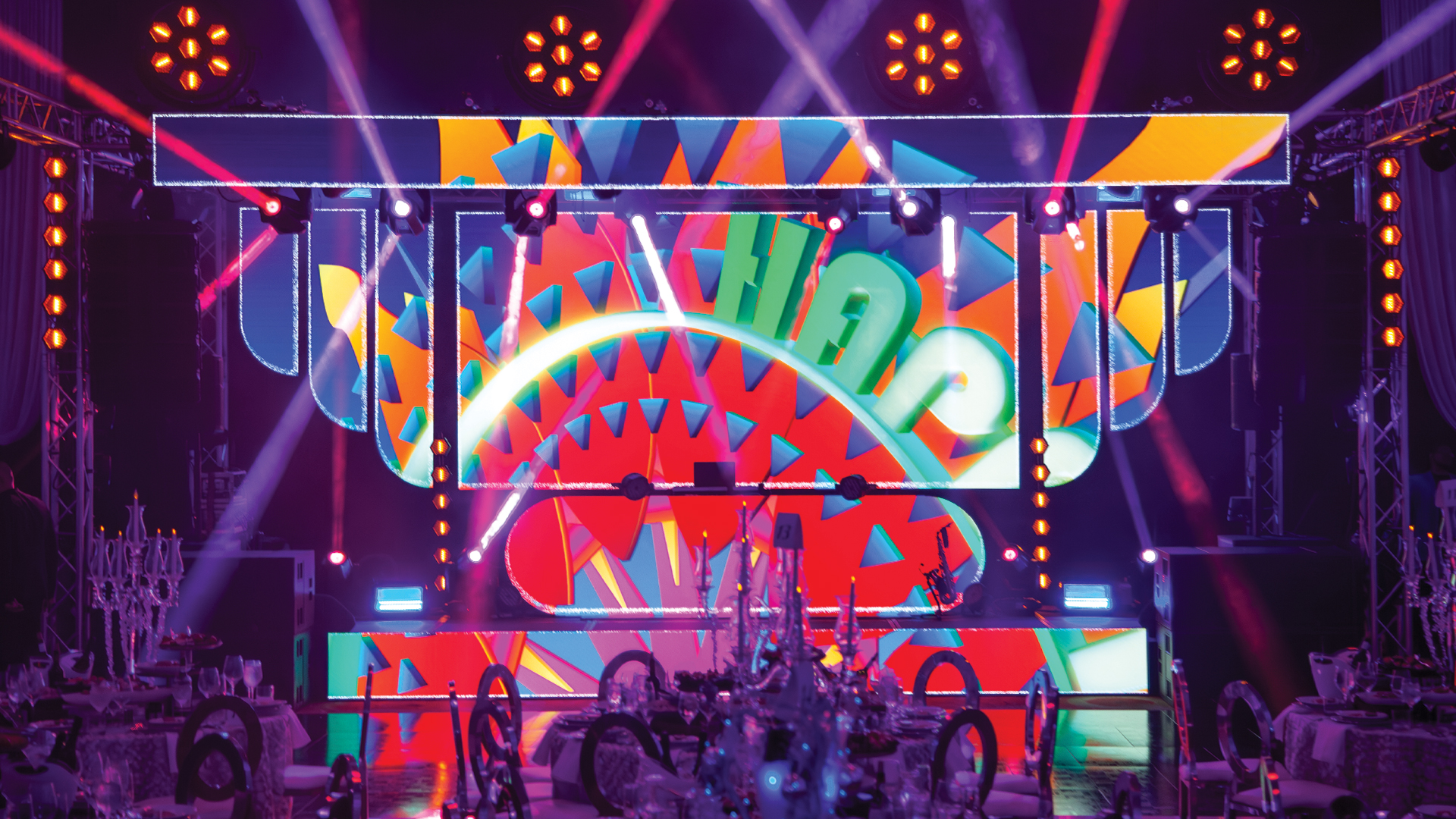
Every seasoned AV technician carries battle scars from festivals gone sideways. There’s a peculiar brotherhood formed when your Meyer Sound LEO system starts crackling during the headliner’s set, rain is hammering the FOH position, and your production manager is screaming into a walkie-talkie about power distribution. This is the story of survival, improvisation, and why every experienced crew member keeps a roll of gaffer tape closer than their phone.
When Mother Nature Declares War on Your Rigging
Picture this: a major music festival in the American Southwest, 2019. The production company had spent three months planning, deploying enough truss systems to support a small aircraft carrier. The L-Acoustics K1 arrays were flown perfectly, the grandMA3 lighting consoles were programmed with surgical precision, and the ROE Visual LED panels created a video wall that made jaws drop during tech rehearsals.
Then the dust storm arrived. Not a gentle breeze carrying some sand, but a legitimate haboob that reduced visibility to approximately fifteen feet and sent every piece of unanchored equipment cartwheeling across the desert floor.
The Birth of Festival Crisis Management
Historical context matters here. The modern festival production paradigm traces back to the chaos of Woodstock 1969, where Bill Hanley pioneered large-scale outdoor sound reinforcement with what was then revolutionary technology. His crew faced rain, mud, and a crowd that ballooned far beyond expectations. They improvised, adapted, and established principles that still guide live event production today.
Fast forward fifty years, and modern crews inherit that legacy of improvisation while wielding significantly more sophisticated tools. When our desert storm hit, the stage manager—a twenty-year veteran who’d survived everything from Glastonbury floods to Coachella dust storms—immediately activated what she called the “apocalypse protocol.”
The Technical Triage That Saved the Festival
The first priority was protecting the lighting fixtures. Our inventory included sixty Robe MegaPointes, forty Claypaky Sharpy Plus units, and an assortment of Martin MAC fixtures that represented roughly three hundred thousand dollars in rental equipment. Sand infiltrating those precision instruments would transform them into very expensive paperweights.
The crew worked in shifts, wrapping fixtures in plastic sheeting while maintaining enough operational units to keep some visual presence onstage. This required real-time reprogramming on the MA Lighting console, reassigning fixture addresses and creating emergency cue lists that could adapt to whatever equipment survived.
Audio Engineering Under Extreme Duress
The FOH engineers faced their own nightmare. Sand particles conduct electricity in unexpected ways, and the Yamaha RIVAGE PM10 console at front of house started showing intermittent channel dropouts. The backup plan—a DiGiCo SD12 that had been designated for monitor world—became the primary mixing surface within thirty minutes.
This swap required transferring show files between incompatible ecosystems, a process that normally takes hours of careful scene matching. The A1 engineer accomplished it in forty-five minutes while sand blasted the plastic tarp covering her workspace, using a combination of Waves plugins that worked across both platforms and manual EQ matching by ear.
Video Systems Under Siege
The LED wall presented unique challenges. Modern LED panels from manufacturers like Absen, ROE Visual, and Unilumin feature tight tolerances between modules, but fine desert sand finds every gap. The video crew established a rotating cleaning schedule, using compressed air cans to blast sand from panel seams every twenty minutes during peak storm intensity.
The disguise media server running content playback remained protected in a climate-controlled shipping container that served as the video nerve center. This setup—increasingly standard for major festivals—proved its worth by maintaining signal integrity throughout the crisis. The Blackmagic Design signal distribution handled the long cable runs from container to stage without a single dropout.
Power Distribution: The Unsung Hero
Behind every successful festival recovery lies a solid power infrastructure. The Motion Labs distro feeding our main stage had been specified with IP65-rated panels, a decision made during load-in that suddenly looked like genius. The electricians had also run every feeder cable through PVC conduit—a time-consuming choice that paid massive dividends when sand started accumulating.
Generator redundancy saved multiple acts. The production had specified N+1 CAT rental generators, meaning one backup generator for every primary unit. When the storm caused air filtration issues on two primary generators, automatic transfer switches shifted loads seamlessly while maintenance crews worked to clear sand from intake systems.
Communication Systems That Actually Worked
The Clear-Com FreeSpeak II intercom system proved invaluable during the crisis. With visibility reduced and the production office located four hundred meters from main stage, reliable wireless communication kept department heads synchronized. The system’s DECT technology maintained coverage even as other wireless systems—including artist IEM feeds—began showing interference from sand-induced static.
Backup communication relied on good old-fashioned Motorola radios distributed to every crew chief. When digital systems hiccupped, analog radio kept information flowing. This redundancy principle—never trusting any single system—exemplifies festival production philosophy developed through decades of outdoor disasters.
Lessons Carved in Desert Sand
That festival ultimately proceeded with only a ninety-minute delay. Every act performed, no equipment suffered permanent damage, and the audience never knew how close the whole production came to catastrophic failure. The crew debriefed for three hours the following morning, documenting every improvised solution for future reference.
Several practices became permanent protocol after that weekend: mandatory weather-resistant cases for all console surfaces, pre-staged backup signal paths for every critical system, and what the lighting director called “festival survival kits“—sealed containers holding essential tools, backup cables, and emergency supplies positioned at strategic locations around the site.
Building Crisis-Resistant Production Teams
The human element remains paramount. Technical skills matter, but the ability to remain calm while everything goes wrong separates competent technicians from exceptional ones. That production crew succeeded because they’d trained together, trusted each other’s judgment, and maintained clear communication hierarchies even under extreme stress.
Modern AV production companies increasingly invest in team training scenarios that simulate disaster conditions. These exercises—sometimes called “technical fire drills”—prepare crews for the unexpected while building the interpersonal bonds that make crisis response effective.
The festival industry has evolved dramatically since those early days of improvised speaker stacks and hope-based electrical distribution. Yet the core truth remains unchanged: every outdoor event is a negotiation with chaos. The crews that thrive are those who prepare obsessively, adapt quickly, and never forget that Mother Nature always holds the trump card. Their job is simply to have enough backup plans that she never gets to play it.
Keywords: AV technician, Meyer Sound LEO, production company, truss systems, L-Acoustics K1, grandMA3 lighting consoles, ROE Visual LED, live event production, lighting fixtures, Robe MegaPointes, Claypaky Sharpy Plus, Martin MAC, MA Lighting, FOH engineers, Yamaha RIVAGE PM10, DiGiCo SD12, Waves plugins, LED wall, Absen, Unilumin, disguise media server, Blackmagic Design, power infrastructure, Motion Labs, CAT rental generators, Clear-Com FreeSpeak II, DECT technology, Motorola radios, console surfaces, festival survival kits, production crew, AV production companies
