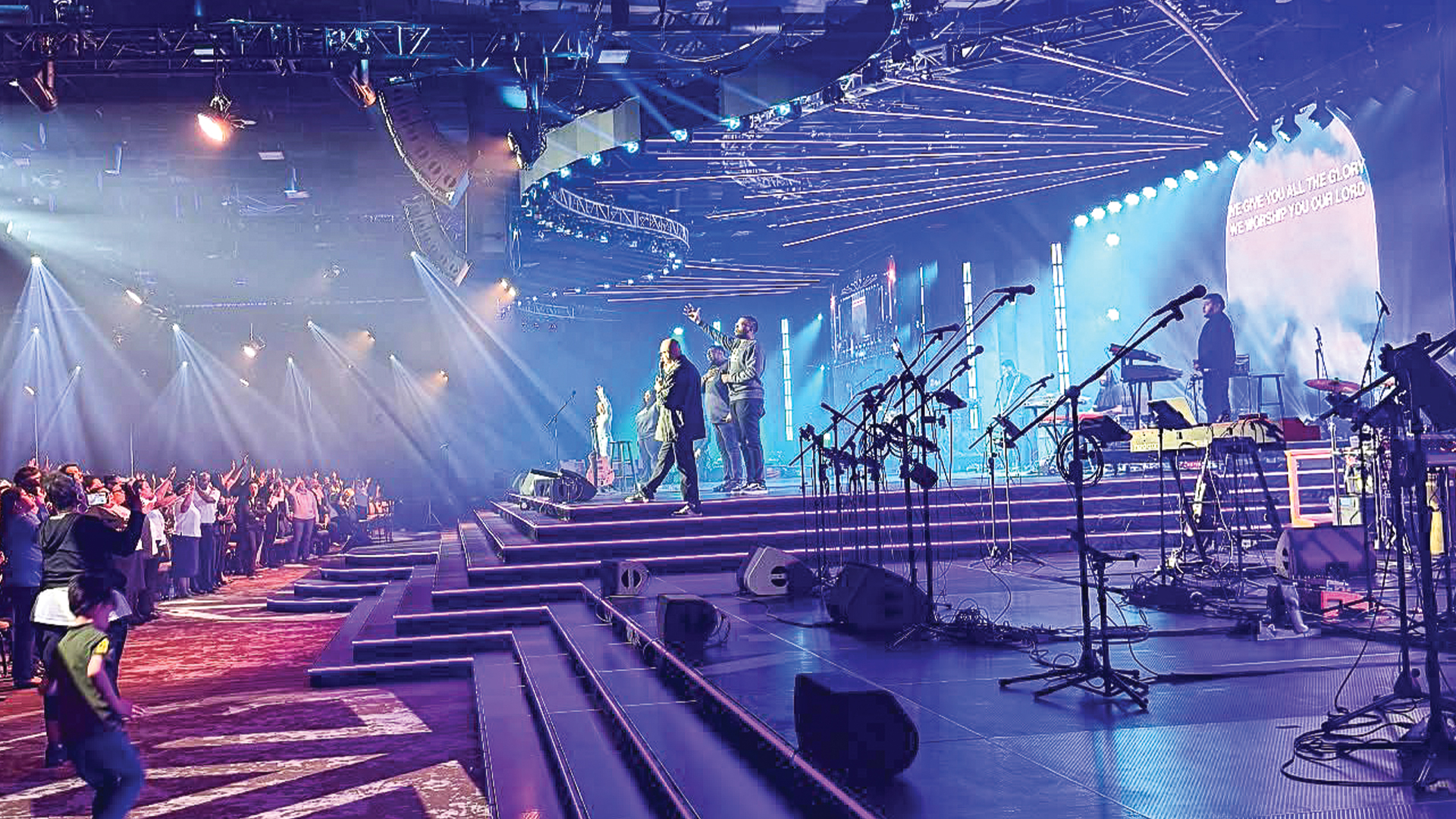
The live sound industry operates on a fundamental assumption that microphones capture intended audio sources while rejecting everything else. This assumption collapses regularly at corporate events, theater productions, and broadcast sessions where professional microphones demonstrate an uncanny ability to capture precisely what everyone hoped would remain private.
The Condenser Confessional
Large-diaphragm condenser microphones like the Neumann U87 and AKG C414 possess sensitivity levels that can detect a whisper from across the room. Recording engineers prize this sensitivity for capturing vocal nuances and acoustic instrument details. The same sensitivity becomes a liability during live productions when talent forgets that their lapel mic remains hot during commercial breaks.
The history of broadcast disasters includes numerous instances where open microphones captured conversations never intended for public consumption. In 1984, President Reagan’s sound check joke about bombing Russia went live to radio audiences—a reminder that even the most controlled environments cannot guarantee audio privacy when hot mics lurk nearby. Modern broadcast audio systems include multiple safety protocols specifically designed to prevent such incidents, yet they still occur with remarkable regularity.
Wireless Wanderings
Contemporary wireless microphone systems from Shure Axient Digital, Sennheiser Digital 6000, and Audio-Technica 5000 Series operate with encryption and interference rejection that would impress intelligence agencies. Yet these sophisticated systems cannot protect users from themselves. A CEO heading to the restroom with a live bodypack transmitter creates audio content that no encryption can contain.
The A1 audio technician manning the Yamaha CL5 console or DiGiCo SD12 maintains constant vigilance over input channels, muting sources the moment they leave the stage. This responsibility requires anticipating talent movements while simultaneously managing the mix, a cognitive load that even experienced professionals sometimes fumble. One distracted moment, one delayed mute, and suddenly the entire ballroom hears the keynote speaker’s candid assessment of the catering.
The Lavalier Liability
Miniature lavalier microphones revolutionized theatrical and broadcast audio by providing hands-free capture with minimal visual impact. The DPA 4061 and Countryman B3 capsules measure barely larger than a pencil eraser, allowing them to disappear into costumes and clothing. This concealment creates the psychological condition that causes talent to forget they’re wearing microphones at all.
Theater productions solve this problem through rigorous protocols. Professional sound designers assign dedicated technicians to monitor every RF channel, with specific procedures for muting during costume changes and backstage moments. Broadway shows employ multiple audio operators whose sole responsibility involves ensuring that offstage conversations remain offstage. The investment in personnel reflects hard-learned lessons from productions where private moments became unintended public performances.
Shotgun Surveillance
The interference tube design of shotgun microphones creates highly directional pickup patterns that reject off-axis sound. Units like the Sennheiser MKH 416 and Schoeps CMIT 5U serve as the workhorses of film production and field recording, capturing dialogue while rejecting background noise. The directional nature of these microphones creates a false sense of security among those unaware of acoustic reflection and environmental factors.
Sound bouncing off hard surfaces can redirect audio into a shotgun’s pickup pattern from unexpected angles. A conversation happening behind a boom operator might reflect off a nearby wall and travel directly into the microphone’s sensitive axis. Experienced location sound mixers learn to anticipate these reflections, but production environments rarely allow complete acoustic control. The shotgun that points at the talent can simultaneously capture reflected audio from anywhere in the room.
The Plant Mic Problem
Corporate events and theatrical productions frequently deploy boundary microphones and PZM microphones as supplementary sources—hidden in podium surfaces, embedded in set pieces, or positioned along stage edges. These plant mics provide backup audio and capture room ambiance. They also capture everything else happening near their positions.
A Crown PCC-160 mounted at the podium surface captures the speaker’s prepared remarks along with their muttered frustrations about the teleprompter operator. The Sanken CUB-01 hidden in the award show set decoration picks up presenter commentary that the audience in the theater finds hilarious but sponsors find concerning. These fixed-position microphones cannot distinguish between intended and incidental audio—they simply capture everything within their hemisphere patterns.
Digital Memory and Accidental Archives
Modern digital mixing consoles frequently include multitrack recording capabilities that capture every input channel to storage drives. The Waves LV1 and Allen & Heath dLive systems can record dozens of isolated channels simultaneously, creating complete archives of everything that entered the system. This capability proves invaluable for virtual soundcheck and broadcast remixing—and occasionally produces recordings that everyone would prefer didn’t exist.
The multitrack recording might capture the main stage presentation alongside the intercom chatter from the production team, complete with candid opinions about the client’s last-minute changes. Wireless microphone channels record continuously regardless of whether their audio routes to the main outputs. The Pro Tools session created for post-production reference becomes an unintended documentation of everything the microphones heard.
Protocols for Privacy
Professional AV production companies develop comprehensive protocols to manage microphone monitoring. Visual cue systems using colored lights indicate when channels go live. Dedicated A2 technicians accompany talent to manage transmitter states. Client briefings explicitly explain microphone behavior and the importance of treating any wireless transmitter as potentially active.
The Shure ULXD system includes transmitter lockout features that prevent accidental activation, while Lectrosonics units offer physical switches that talent can operate themselves. Some production teams implement automatic muting systems that silence inputs whenever they detect motion patterns consistent with talent leaving the stage area. These technological solutions supplement but cannot replace the fundamental human awareness that prevents most microphone disasters.
Living With Listening Devices
The microphones that overhear everything reflect a broader truth about professional audio production: the technology designed to capture and amplify human communication operates without judgment about what should or shouldn’t be heard. The Rode NT1 capturing a podcast session doesn’t distinguish between brilliant insights and embarrassing digressions. The Shure SM58 positioned for the keynote speaker doesn’t know to stop listening when the presentation ends.
Success in live audio production requires treating every microphone as an active listener until physically confirmed otherwise. The equipment cannot exercise discretion—that responsibility falls entirely on the human professionals who deploy, monitor, and manage these remarkably sensitive audio capture devices. The microphones will always hear everything; wisdom lies in ensuring that not everything heard reaches unintended ears.
