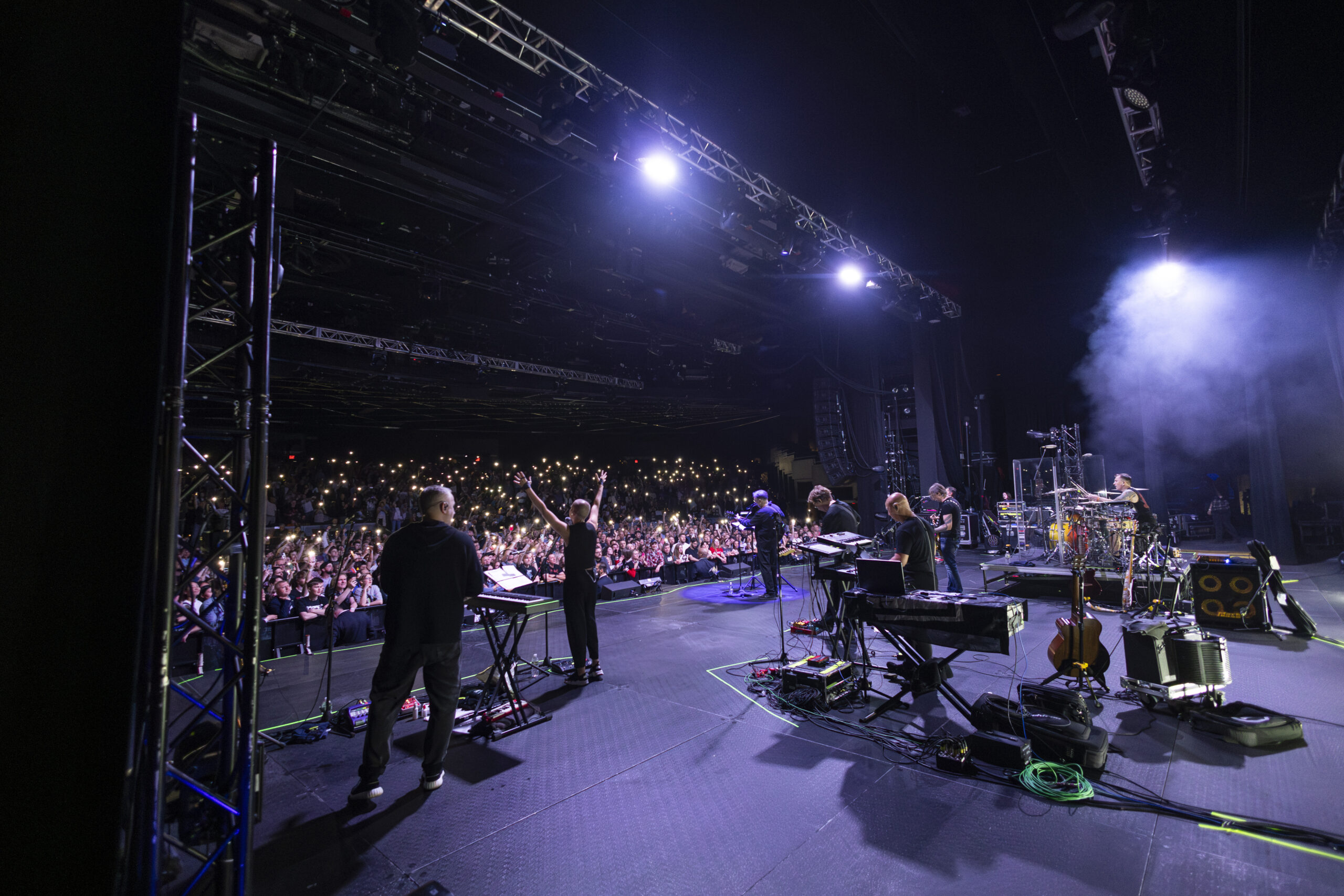

Understanding the Power of Professional Sound
In today’s event landscape, sound quality has become one of the most influential factors determining the overall audience experience. Whether it is a live concert, a corporate conference, a festival, or a private celebration, the audience expects crystal-clear audio, balanced frequencies, and full immersion. Poor sound instantly breaks the atmosphere, while a professional setup elevates even a simple stage performance to a memorable show. This is why professional sound systems, live audio equipment, and event sound rental have become essential components of modern production.
Sound is more than just volume. It is about clarity, direction, tone, and consistency. Even the most visually impressive event loses its impact if the audio does not match the quality of the visuals. Every word must be heard, every note must be felt, and every effect must support the story organizers aim to deliver. Understanding how professional sound equipment shapes events helps planners, technicians, and clients appreciate the importance of investing in the right tools and services.
The Evolution of Event Sound
Decades ago, sound systems were bulky, inconsistent, and difficult to tune. Modern events, however, benefit from an entirely different universe of technology. Today’s systems emphasize precision, portability, and flexibility. Speakers are lighter yet more powerful, mixers are digital and network-enabled, and wireless microphones deliver incredible clarity. Not only has audio equipment become more technologically advanced, but it has also become more accessible through sound equipment rental services that allow even small event organizers to achieve premium-quality audio.
The evolution of sound technology is tied directly to audience expectations. As concerts and live shows grew more sophisticated, audio systems had to keep up. Advanced line arrays, digital processing, smart monitoring, and scalable configurations have all become standard in the industry. Even simple outdoor gatherings can now use compact but powerful systems that were once reserved only for large touring productions.
Why Sound Quality Is the Heart of Every Event
Sound influences everything: mood, communication, emotion, and atmosphere. When people attend an event, they do not consciously think about sound quality—until it goes wrong. Feedback noise, unclear speech, or overpowering bass instantly damages the experience. But when sound is good, people feel more engaged and more connected.
For events with live music, high-quality sound ensures every instrument blends harmoniously. At conferences, the audience must hear every speaker clearly regardless of seating. At weddings, speeches and music should feel warm and emotional. Properly managed audio enhances immersion, professionalism, and emotional impact.
Sound also controls the flow of an event. Walk-on music, announcements, ambient background tracks, and transition cues all help guide the audience’s attention. With the right system, sound becomes a subtle but powerful tool.
Key Components of a Professional Sound Setup
Every event is unique, and professional audio setups must support different environments, audience sizes, and acoustic challenges. Even so, the core components of professional sound remain consistent. These elements work together to create a cohesive and reliable system.
Speakers
Speakers are the most visible part of any sound system, but they do far more than produce loud audio. Modern speakers, especially line arrays, deliver controlled coverage across wide spaces. This ensures that sound reaches the audience evenly without causing distortion or dead zones. In smaller venues, compact speakers offer clarity without overwhelming the space. In outdoor events, weather-resistant models ensure performance even in unpredictable conditions.
Mixers
Mixers are the control center of any event. They allow technicians to balance microphones, instruments, music tracks, and effects. Digital mixers have revolutionized the industry with features such as presets, touchscreen control, remote operation, and detailed signal processing. They make it possible to adapt to any type of performance quickly and efficiently.
Microphones
From wireless handheld microphones to lavaliers and instrument mics, modern solutions offer exceptional clarity and flexibility. Good microphones prevent interference, reduce background noise, and deliver natural sound. Wireless systems offer mobility for performers and presenters while maintaining a steady and stable signal.
Subwoofers
Subwoofers provide depth and energy to an event’s sound. They reproduce low frequencies that standard speakers cannot handle alone. For concerts, DJs, and festivals, subwoofers are essential for creating a powerful, immersive atmosphere. Even at corporate events, subtle bass reinforcement helps make presentations feel fuller and more dynamic.
Monitors
Performers and presenters need to hear themselves clearly to deliver their best performance. Stage monitors or in-ear systems ensure they stay in sync with the music, timing, and speech. A poor monitor setup often leads to mistakes, confusion, and reduced performance quality.
Audio Processing
Modern sound systems use digital signal processing (DSP) to fine-tune audio quality. This includes equalization, compression, feedback suppression, noise reduction, and room calibration. With DSP, audio technicians ensure that the sound remains consistent across all speakers and audience zones.
The Role of Sound Engineers
Equipment alone cannot guarantee great sound. Skilled sound engineers are essential to designing, operating, and adjusting the system. They understand acoustics, frequency response, microphone placement, signal routing, and live mixing. A professional engineer ensures that every moment sounds perfect, from opening announcements to the final applause.
Engineers also troubleshoot potential problems in real-time, making sure the audience never notices any technical issues. Their experience and training allow them to adapt to unexpected conditions such as weather changes, performer adjustments, or equipment challenges.
Sound for Different Types of Events
Every event requires a unique approach to audio.
Concerts
Concerts demand power, clarity, and precision. Line arrays, subwoofers, multiple microphones, and complex monitoring systems work together to build a powerful, immersive sound. Concert audio must also be mixed live, which requires highly skilled engineers.
Corporate Events
Corporate audio focuses on speech clarity. Wireless microphones, discreet speakers, and feedback control are essential. The audience must hear every presentation clearly, even in large conference halls.
Weddings and Parties
These events require warmth, balanced sound, and flexibility. DJ setups, live musicians, and speeches all need to be mixed smoothly. Portable speakers and wireless systems ensure quick transitions.
Outdoor Events
Outdoor audio must overcome environmental obstacles such as wind, distance, and noise dispersion. Weather-resistant speakers and professional setups ensure reliable performance in open spaces.
Festivals
A festival may require multiple stages, long cable runs, distributed PA systems, and large teams. Professional sound ensures consistent quality across different zones and performances.
Why Renting Sound Equipment Is the Best Choice
Buying professional audio equipment is expensive. For most event organizers, sound system rental is the most efficient solution. Renting provides access to high-end gear, trained technicians, fast setup, and reliable support. Clients only pay for what they need, and they can scale the system depending on event size.
Rental companies also update their inventory regularly, giving clients access to the latest technology without the cost of ownership. Maintenance, transportation, and installation are handled by professionals, allowing event planners to focus on the event itself.
Sound and Audience Experience
High-quality sound enhances emotional engagement. Music feels richer, speeches feel more impactful, and performances feel more dynamic. When the audience hears every detail, they become more immersed in the experience. Good sound makes every event feel more polished, professional, and memorable.
Sound also builds trust. When clients hear great audio at an event, they understand the value of professional equipment and services. It elevates the brand image of the event organizer and strengthens the overall production quality.
Final Thoughts: Sound Is an Investment in Experience
Every event relies on sound to communicate, entertain, and inspire. Investing in professional systems and experienced engineers ensures that every guest leaves with a positive impression. From intimate gatherings to large-scale productions, sound remains one of the most powerful tools available to event creators.
With advancements in technology and the flexibility offered by event sound rental, achieving exceptional audio quality has never been easier. Whether it’s a concert, conference, or outdoor celebration, high-quality sound transforms events into unforgettable experiences.
