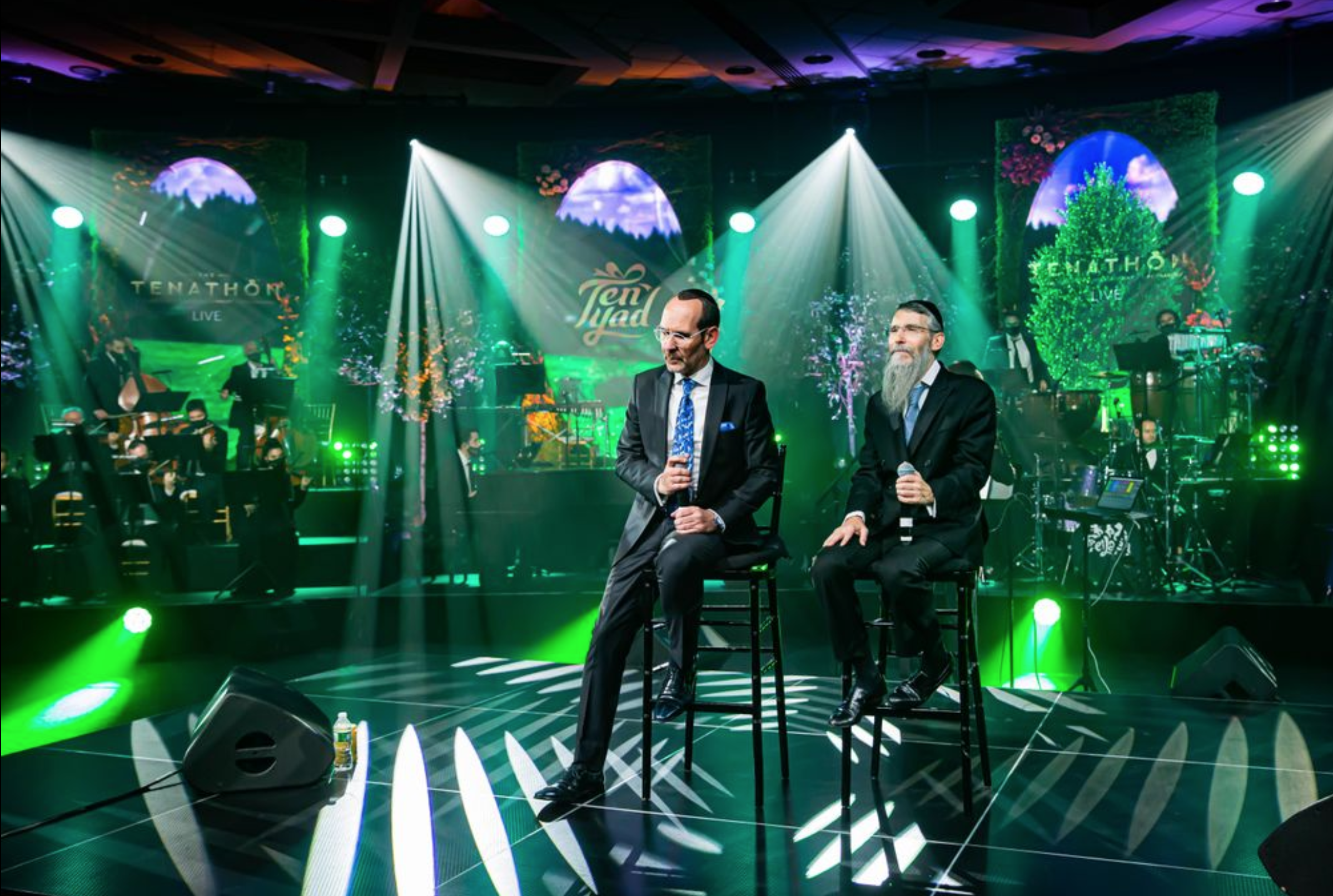

Understanding the Foundation of Live Event Audio
Every unforgettable concert begins with one crucial element: a professional concert audio system. The energy of the crowd, the clarity of the vocals, the punch of the drums, the warmth of the guitars — all of it depends on how well the audio system is designed, tuned, and operated. Whether the event is an arena show, a festival stage, or a small indoor hall, audio cannot be an afterthought. It is the core element that brings the performance to life, shaping the emotional connection between the artists and the audience.
Unlike recorded music, live sound is unpredictable. Every venue behaves differently, artists perform dynamically, and external factors such as wind or room reflections can drastically alter sound quality. This is why event audio relies on sophisticated equipment, professional engineers, and proper planning. A concert without a reliable concert audio system simply cannot deliver the impact audiences expect.
In this blog, we break down the components, techniques, and best practices that drive exceptional sound at live events — from stage to FOH.
What Defines a Modern Concert Audio System
A complete professional audio setup is far more complex than speakers and microphones. It consists of several interconnected systems designed to work together seamlessly, delivering consistent audio across the venue. The essential components include:
Line Array Systems
Line arrays are the backbone of modern concerts. Their vertically stacked design allows them to cover large distances evenly, ensuring the back rows hear the same clarity and detail as those near the stage. Advanced models use waveguides, phase alignment, and DSP optimization to maintain uniform coverage.
Subwoofer Arrays
Low frequencies carry emotion — the rumble of bass drums, the growl of synths, the power of bass guitars. Sub arrays are configured in various patterns, such as cardioid or end-fire, to control directionality and reduce stage bleed. Properly tuned subs prevent muddiness and reinforce musical impact.
Amplification and DSP
Amplifiers do more than power the speakers — they shape the system. DSP (digital signal processing) provides precise EQ, limiting, crossover alignment, and time correction. This ensures each component in the system operates within its optimal range.
Microphones and Wireless Systems
Vocals, drums, guitars, horns, ambiance — each source requires a microphone tailored to its frequency response and dynamics. Wireless systems provide mobility but require frequency coordination, antenna management, and interference protection.
Front-of-House Mix Consoles
At the heart of every live show stands the FOH console. Digital mixers allow engineers to control every aspect of the performance:
Gain structure
EQ
Compression
Delay
Routing
Effects
Snapshots
The console is where the entire show is shaped in real time.
Monitor Systems
Performers need to hear themselves clearly to stay in sync. Monitor engineers deliver custom mixes via wedges or in-ear monitors. While FOH mixes for the audience, monitors mix for the performers — two completely different worlds requiring different approaches.
The Role of Acoustics in Live Sound
Even the best concert audio system can struggle if the venue’s acoustics are ignored. Understanding how sound behaves in the environment is essential for delivering a balanced performance.
Indoor Venue Challenges
Reflective surfaces can create echo, reverb, and frequency buildup. Engineers must compensate using absorptive treatments, precise speaker placement, and EQ adjustments.
Outdoor Venue Challenges
Open-air environments eliminate reflections but introduce new issues:
Wind redirecting high frequencies
Temperature affecting propagation
Humidity changing clarity
Outdoor concerts require constant monitoring and adjustments during the show.
Managing Coverage
Coverage is not just about volume; it is about consistency. Long-throw arrays, front fills, and delay towers work together to ensure everyone hears the same performance.
Why System Design Matters
Concert sound is not plug-and-play. It begins with detailed planning:
CAD modeling of the speaker coverage
Predictive acoustic simulations
Selecting system size based on crowd estimates
Time alignment between speakers
Rigging and safety plans
This preparation ensures the audience receives a coherent and powerful audio experience.
The FOH Engineer: The Unsung Hero of Every Concert
While performers captivate the crowd, the FOH engineer shapes the audience’s entire sensory experience. They balance instruments, control dynamics, and react instantly to every moment of the show.
Their responsibilities include:
Maintaining gain structure
Applying EQ to remove problem frequencies
Adding effects like reverb or delay
Controlling overall volume levels
Communicating with monitor engineers
Responding to unexpected issues
A great FOH engineer can elevate a mediocre performance. A poor one can ruin an exceptional performance.
Monitoring: The Stage World
Unlike FOH, which mixes for thousands, monitor engineers mix for a handful of performers. Their job is highly stressful and essential.
Performers rely heavily on:
Balanced in-ear mixes
Isolated click tracks
Clean vocal monitoring
Low-latency routing
Custom EQ for instruments
Clear monitoring improves timing, pitch accuracy, and performer confidence.
How Digital Technology Changed Live Sound
The future of concert audio is digital:
Dante and AVB networking
Remote iPad mixing
Stagebox integration
Virtual soundcheck
Automated RF coordination
Preset-based system tuning
Digital technology reduces setup time, enhances reliability, and increases creative flexibility.
The Importance of Redundancy
Concerts must go on — even when equipment fails. Redundancy prevents catastrophic breakdowns.
Backup wireless receivers
Duplicated playback systems
Spare microphones
Failover amplifiers
Secondary network paths
Professionals prepare for the worst while aiming for the best.
Power Distribution for Audio
No audio system works without stable power. Power conditioners, UPS units, and isolated circuits protect equipment from surges and grounding issues. Clean power means clean sound.
Best Practices for Tuning a Concert System
Tuning is the final step before the audience arrives:
Smaart or similar audio analysis
Phase alignment
Room EQ
Level balancing
Vocal intelligibility testing
This process ensures maximum clarity and cohesion.
Why High-Quality Audio Matters
Audiences today are used to studio-quality streaming, headphones, and home audio. They expect live concerts to match or exceed that standard. A weak audio system or poorly engineered mix immediately breaks the immersive experience.
High-quality live sound is emotional, physical, and memorable — it makes the performance unforgettable.
Conclusion
A modern concert relies on far more than a stage and performers. It depends on a meticulously designed, professionally tuned, and expertly operated concert audio system — the beating heart of every live show. From microphones to line arrays, from FOH consoles to monitor mixes, every component shapes the sonic journey the audience experiences.
