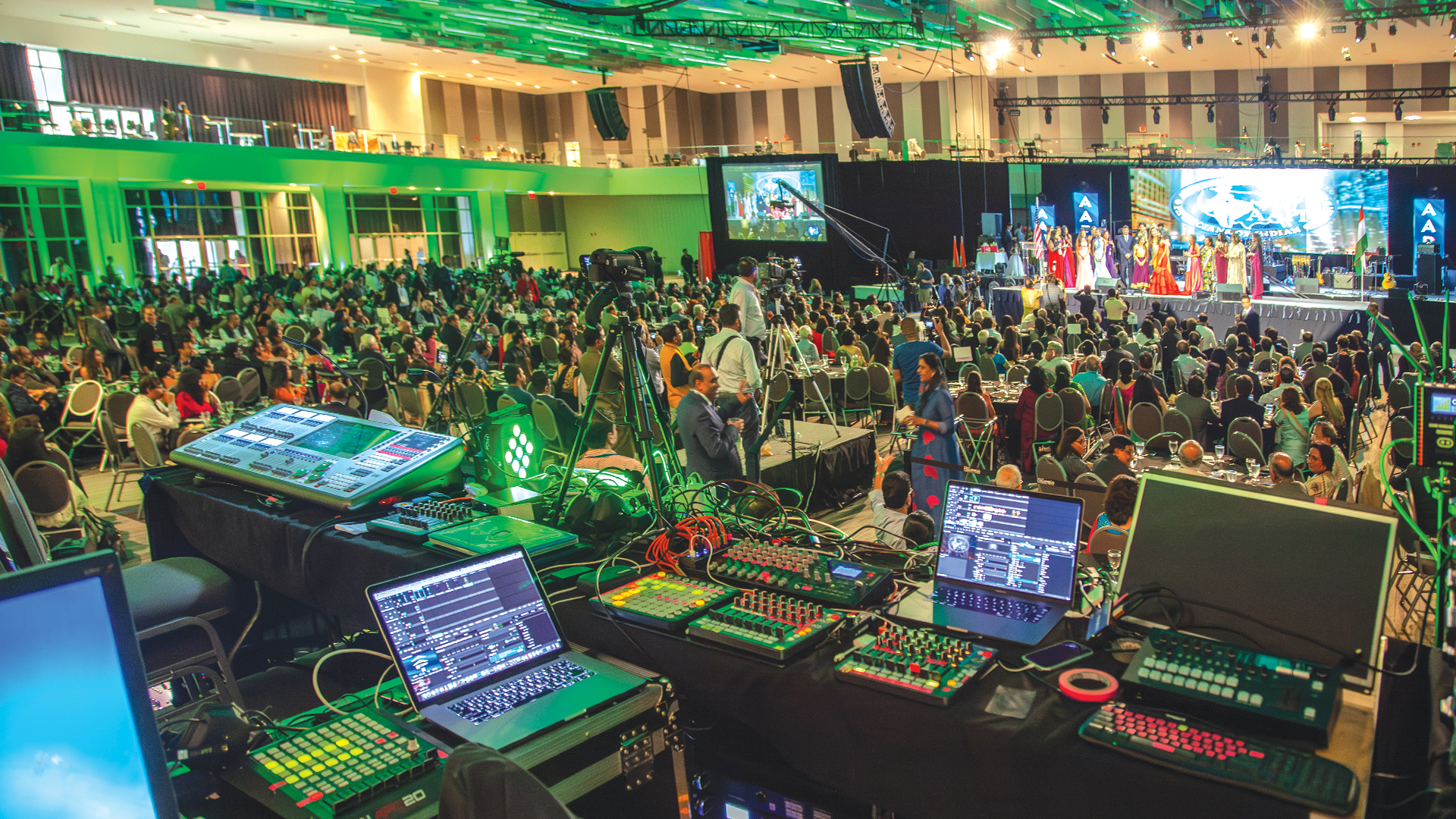
When the lights went out across the entire metropolitan area, approximately 18,000 concertgoers sat in absolute darkness wondering what happens next. The answer depended entirely on decisions made during production design months earlier—specifically, whether the touring production had invested in backup power systems capable of sustaining performance when municipal infrastructure fails.
Power Infrastructure Vulnerability
Modern concert tours consume staggering amounts of electricity. A major arena production might draw 400 amps of three-phase power for lighting alone, with audio adding another 200 amps. The Northeast blackout of 2003 affected 55 million people, demonstrating how cascading grid failures strike without warning.
Generator Systems in Touring
Major tours carry their own generator capacity. Aggreko and United Rentals provide mobile generator packages. Professional power distribution systems from Motion Labs and TMB include voltage regulation to deliver clean power regardless of source.
The Night Everything Went Dark
The tour carried two 500kW generators in redundant configuration plus UPS systems protecting critical consoles. A transformer explosion three blocks away cascaded through substations. For eight seconds, nothing worked until generators engaged.
The production manager assessed whether to continue or evacuate. Generators provided power for 75% of the lighting rig plus full audio. The LED video wall required too much power—only the center section ran at reduced brightness.
Audience Management in Crisis
Venue emergency lighting on battery backup illuminated exits within two seconds. The artist spoke directly to the crowd without amplification while systems recovered. The lighting designer rapidly reprogrammed using lower-power LED wash units rather than high-powered beam lights.
Technical Resilience Through Design
Dual-redundant generators meant single failure wouldn’t end the show. UPS systems sized for extended runtime protected consoles. The electrical distro permitted individual circuit control for precise load shedding.
Lessons for Future Productions
Generator capacity calculations now include ‘survival mode’ assessments. Battery-powered megaphones positioned at FOH ensure announcement capability. Hand-held radio systems with dedicated emergency channels keep crew connected.
The tour became legendary not because everything worked perfectly, but because professional preparation met unexpected crisis. Those 18,000 audience members witnessed a show that wasn’t as designed—but they witnessed a show. That distinction came down to decisions made long before anyone knew the power would fail.
